
Adventurers traveling to Bir Billing for paragliding frequently overlook Bir Tea Garden, a hidden gem tucked away in the heart of Himachal Pradesh. However, the verdant slopes of this tea garden provide the ideal haven for those seeking peace, natural beauty, and a taste of the local way of life. The garden, which is surrounded by the magnificent Dhauladhar range, offers a tranquil diversion from the exhilarating experiences that characterize Bir. A walk through these aromatic plantations will feel like a mild form of meditation, regardless of whether you’re a nature lover, photographer, or tourist looking for quiet, introspective moments.This blog will tell you everything you need to know about visiting Bir Tea Garden, from its beauty and cultural background to the best times to visit and nearby attractions. The experience of the chirping birds, fresh mountain air, and rhythmic rows of tea bushes uplifts your soul.
The Beauty of Bir Tea Garden
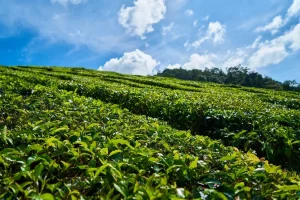
Unlike commercial plantations, Bir Tea Garden maintains its raw, organic charm with minimal interference from tourists, making it ideal for peaceful nature walks and photography. The garden offers a painterly landscape perfect for morning strolls or late afternoon golden-hour shots, covered in gentle hills covered in symmetrical rows of vibrant green tea bushes. During the harvest season, you might even spot locals tending to the tea plants or gathering fresh leavesThe garden’s natural contours are gently woven through the soft, walkable paths. The Bir Tea Garden provides an immersive sensory experience—calm sights, fresh earthy scents, and a soundtrack of rustling leaves and chirping birds—for anyone looking to get away from the hustle and bustle of the city and re-establish a connection with nature.
Cultural Significance and History
Since the climate and elevation of Bir were thought to be ideal for tea plantations during the British colonial era, tea has been grown there. With local support, the practice persisted over time and developed into a modest but significant component of Bir’s rural economy. These gardens now serve as both a source of income and a legacy that has been carried down through the ages. In keeping with the ecological values of the nearby communities, the tea produced here is organic and mostly pesticide-free. Through seasonal labor, small-scale production, or the sale of hand-processed tea in local markets, these gardens have a connection to many families in Bir.Tourists can learn more about Bir Billing’s cultural heritage by visiting the garden, which demonstrates how the land is not only revered but also deeply lived and respected. The tea garden is more than just a picturesque setting; it is a living heritage site in part because of this link between community and cultivation.
Expectations for Your Visit
Bir Tea Garden greets you with well-kept fields, gentle walking paths, and a peaceful setting perfect for rest and reflection. Although there aren’t any official guided tours, you are free to wander around, take pictures, or just relax on a terrace and take in the scenery. While the evenings bring warm, golden hues ideal for photography, the garden is frequently covered in mist in the early mornings, creating a surreal scene.Near the entrance are some neighborhood vendors selling freshly brewed tea; be sure to sample the Himachali chai, which is made from leaves that are grown nearby. The nearby trees offer a chance for birdwatchers to see Himalayan species. The Bir Tea Garden isn’t commercialized, but its simplicity—no crowds, no rush, just tranquility, nature, and a timeless quality—is what draws people in.
The Ideal Time to Go to Bir Tea Garden
March through June and September through November are the best times to visit Bir Tea Garden. The tea fields are especially beautiful during these months because of the pleasant temperatures, clear skies, and abundant greenery. While autumn provides a warm, golden light ideal for photographers, spring brings new growth and a burst of freshness. The fields become even more lush during the monsoon season, despite the fact that the trails become muddy. The soft light, sparse crowds, and colorful surrounding hills make the early mornings (7 AM to 9 AM) and late afternoons (4 PM to 6 PM) especially enchanted.You might even witness locals working on their daily harvest if you’re traveling during the tea-picking season, which is typically in the early summer. This would add a deeper cultural experience to your trip. Bring a bottle of water and comfortable walking shoes for the best experience.
Sustainable Agriculture and Ecotourism
A silent example of eco-friendly methods that complement eco-tourism is Bir Tea Garden. Here, organic farming predominates, with little use of chemicals and natural composting techniques. In addition to protecting the environment, this results in higher-quality, healthier, and more ecologically friendly tea. Your presence as a visitor boosts the local economy without depleting natural resources, particularly if you tip local guides or purchase tea that is packaged locally. Bir’s garden hasn’t been overly commercialized, which has allowed it to maintain its authenticity in contrast to mass-tourist plantations.
The community has a strong commitment to sustainable farming, and you might even see small batches of hand-picked leaves being sun-dried. The way Bir’s tea garden combines environmental conservation with cultural preservation will appeal to tourists seeking out ethical travel experiences. It’s the ideal illustration of how tradition and tourism can coexist in a meaningful way.
How to Get to Bir Tea Garden
It’s easy to find Bir Tea Garden, particularly if you’re already in the middle of exploring Bir Billing. You can easily walk, rent a bicycle, or take a quick taxi to get to the tea gardens, which are about 1-2 km from Bir Market. If you’re traveling from a major hub in the area:
30 km (about an hour by road) from Palampur
13 km (20 minutes by car) from Baijnath
65 km (2.5 hours) from Dharamshala
The closest airport for travelers arriving by plane is Kangra Airport (Gaggal), which is about 70 kilometers away. You can find the garden with ease once you’re in Bir thanks to signage or local directions. The walk itself, which winds through open fields and tiny villages, is revitalizing. For a culturally rich half-day itinerary, many tourists combine a visit to the tea garden with stops at neighboring locations like Chokling Monastery and Deer Park Institute.
Explore the Nearby Attractions
It is simple to combine a visit to Bir Tea Garden with other tranquil locations nearby. Among the most prominent is the Deer Park Institute, which is only a short stroll away and provides philosophy classes and meditation sessions. Another peaceful location worth seeing is Chokling Monastery, which features a massive stupa and Tibetan architecture. Visit the Paragliding Take-Off Site in Billing, which is roughly 14 km uphill from Bir, for a little excitement. Also close by is the Bir Road Market, which sells handmade souvenirs, organic teas, and regional handicrafts.Visitors can enjoy both natural beauty and cultural depth at these attractions, which enhance the tranquility of the tea garden. If you intend to stay longer, take into account local eco-resorts or homestays that provide views of the valley and tea gardens. Every place has a unique story to tell, combining Bir Billing’s varied identities.
In conclusion
Bir Tea Garden is more than just a green space; it’s a serene haven where culture, nature, and tranquility coexist harmoniously. Although paragliding is Bir Billing’s most well-known attraction, visitors who take the time to discover its lesser-known treasures, such as the tea garden, are rewarded with a more profound and peaceful experience. The garden invites you to slow down and re-connect, whether you’re enjoying a cup of freshly brewed tea beneath a shade tree, taking pictures of the morning mist over terraced fields, or simply taking in the peace.For those who value the environment, seek tranquility, or simply want to take a break from the excitement, this is the ideal getaway. Take a stroll through Bir’s history at the Bir Tea Garden the next time you’re in the city instead of just passing by.
FAQs
Q1. Does Bir Tea Garden charge admission?
No, anyone is welcome to visit the garden, and admission is typically free.
Q2. What are the visiting hours?
Anytime between 7 AM and 6 PM is a good time to visit. The best times are early in the morning and late at night.
Q3. Is it possible to purchase tea straight from the garden?
Although there isn’t a designated store, tea produced nearby is sold in neighborhood stores.
Q4. Is Bir Tea Garden suitable for kids?
Yes, it’s safe and ideal for a picnic or family stroll.
Meta Description ✅
Discover the serene splendor of Bir Tea Garden, a secret treasure in Bir Billing. Discover its cultural significance, abundance of greenery, and the reasons it’s a must-see while traveling through the Himalayas.